Apparel Trends

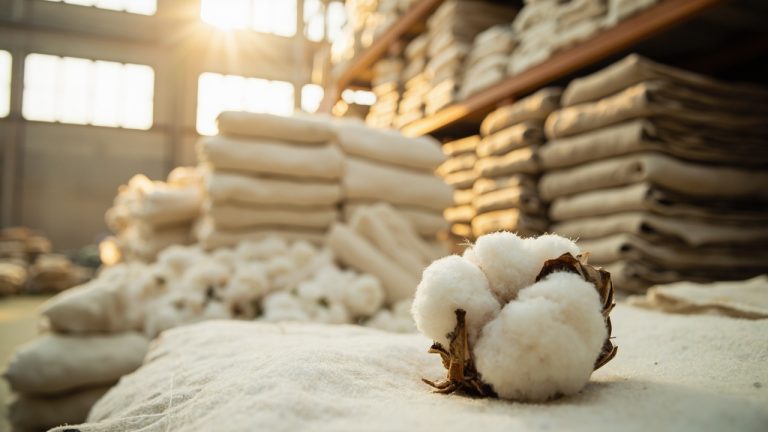
Stacked cotton bales and rolls of polyester filament yarn in a textile warehouse.

Cotton Futures and Polyester Filament Outlook: 2026 Price Drivers for Sourcing Teams

08/07/2026

JINJIANG, China — Cotton and polyester filament together account for roughly 75 percent of the fiber volume used in mid-market apparel, and the price movements in both inputs over the past 18 months have shifted sourcing economics in ways that sourcing teams should plan around through the rest of 2026. The Cotton #2 futures contract closed the 2024/25 marketing year with a marked divergence between the New York and Zhengzhou contracts, reflecting different supply dynamics in the United States and China. New York cotton has traded in a relatively tight band through the first half of 2026, supported by a smaller US crop and steady export demand, while Chinese cotton on the ZCE has been more volatile on the back of state reserve rotations and shifting import flows from Brazil and Australia. For garment exporters, the practical implication is that cotton-heavy programs — typically 100 percent cotton jersey, brushed flannel, terry, and denim — face a more variable cost base than they did two years ago. The bench planning assumption that worked in 2023 (flat 12-month cotton pricing) is no longer reliable. Sourcing teams should expect 8–15 percent variation in landed cotton fabric costs over a six-month sourcing window, depending on which cotton futures month they lock against. Polyester Filament: More Volatile Than Cotton Polyester filament pricing has been the more dramatic story. Para-xylene (PX), the upstream feedstock for purified terephthalic acid (PTA), and PTA itself have all moved sharply over the past 12 months on the back of capacity additions in China and shifting crude oil benchmarks. The filament yarn price index most commonly used by mid-market apparel mills in China closed 2025 roughly 18 percent higher than the 2024 average, then softened in early 2026 as new PTA capacity came online. Spot prices for 75D/72F DTY (the most common polyester filament yarn used in knit outerwear and activewear) traded in a 25 percent range over the past 12 months — a degree of volatility that makes downstream polyester-blend fabric pricing significantly harder to lock. For sourcing teams, the practical implication is that polyester-heavy programs (most fleece, activewear, and bonded outerwear shells) are exposed to upstream feedstock volatility in a way that pure cotton programs historically were not. Cotton-Polyester Spread and Substitution Effects The relative price of cotton to polyester filament has narrowed considerably since 2024. As of mid-2026, the cotton-to-polyester price ratio sits close to its three-year average, after a brief period in late 2024 when cotton was unusually expensive relative to synthetics. The current spread suggests that the substitution pressure between cotton and polyester for mid-market apparel is roughly stable, with no strong near-term incentive for buyers to shift category blends in either direction. For sourcing teams running volume programs, this is a useful planning signal. The current pricing environment does not favor a wholesale shift from cotton to polyester (or vice versa) on cost grounds alone. Decisions should continue to be driven by end-use performance, brand positioning, and regulatory considerations (such as the recycled-content preferences of EU buyers). What Buyers Are Doing in 2026 Based on conversations with export-facing factories and intermediary agents, the most common 2026 buyer response to fiber price volatility has been to extend price-lock windows and to hedge fabric commitments through longer-term framework agreements. The traditional 30-day fabric price quote has largely disappeared for cotton-heavy and polyester-heavy programs. In its place: Quarterly price locks with explicit raw-material pass-through clauses 6-month framework agreements on core fabric references Forward orders on commodity fabrics placed 4–6 months ahead of need Hedging on the polyester side via PTA futures, available to larger mills and some larger garment factories Practical Implications for Sourcing Teams For a factory running 30–50 styles across cotton and polyester-blend fabrics, the practical 2026 playbook looks like this: Lock cotton-heavy styles early. Commit fabric 4–6 months ahead and lock against the front-month futures, not the cash market. Use quarterly price reviews on polyester blends. Polyester filament is too volatile to lock for longer than a quarter without an explicit pass-through clause. Track PTA capacity additions. New PTA capacity in China continues to add supply, which will pressure polyester filament prices through 2026. Watch the cotton reserve rotation. Chinese state cotton reserve sales continue to influence the Zhengzhou cotton price. Reserve sale schedules are published quarterly. Plan for a wider landed-cost band. Plan sourcing budgets against an 8–15 percent landed-cost band for cotton fabrics and a 15–25 percent band for polyester-blend fabrics. The Bottom Line for Q4 2026 Cotton and polyester filament pricing is more volatile than it has been in five years, and that volatility is unlikely to fully normalize through 2026. Sourcing teams that lock cotton-heavy programs early, hedge polyester exposure with quarterly reviews, and plan against wider landed-cost bands will be better positioned than those still operating on flat 12-month pricing assumptions.

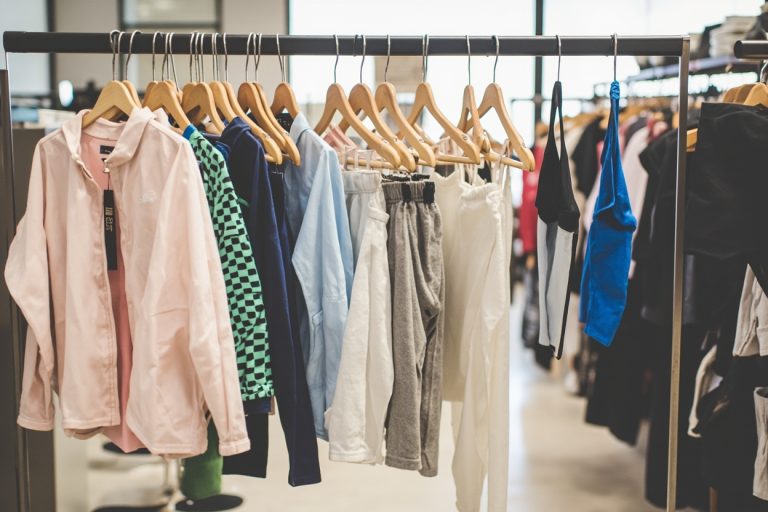
Children’s apparel samples on display rack: light jackets, swim shorts, rash guards, performance leggings

Quanzhou Northern Garment Opens SS27 Pre-Production Bookings Across Children’s Outerwear, Swimwear, and Activewear

08/07/2026

JINJIANG, China — Quanzhou Northern Garment Co., Ltd. has opened pre-production bookings for its Spring/Summer 2027 collections across all three of its core product lines: children’s outerwear, swimwear, and activewear. The factory is accepting development inquiries and capacity reservations through October 2026, with first bulk shipments scheduled to begin in late January 2027. The SS27 program covers approximately 180 styles across the three product lines. The outerwear range includes lightweight transitional jackets, hooded windbreakers, and packable rain shells; the swimwear line covers boys’ and girls’ swim shorts, one-piece suits, and rash guards; and the activewear range includes performance leggings, training shorts, and lightweight knit sets for the 4–14 age bracket. “SS27 planning starts earlier than ever because our buyers have moved the buying calendar forward by six to eight weeks over the past three seasons,” said the company’s merchandising director. “We want our development partners to have fabric strike-offs, color palettes, and lab dips in hand by mid-October so that the bulk production window is fully protected.” What’s New in SS27 The 2027 spring/summer development cycle introduces three notable expansions to the factory’s program: Extended color palette. Buyers can select from an expanded SS27 palette of 62 stock colors across shell fabrics, linings, and trim components, up from 48 in SS26. The expansion covers both core neutrals (a wider tonal range in stone, oat, and sand) and seasonal accents (eight new mid-saturation brights for swimwear and activewear). Faster lab dip turnaround. Standard lab dip turnaround is now 5 working days from fabric arrival (down from 7), with a 48-hour rush option available on the six core shell fabrics for buyers working to tight development windows. Broader swimwear size run. The SS27 swimwear range now extends from 80cm through 158cm (up from 176cm ceiling previously), with a dedicated 80–110cm “little swimmer” capsule designed for early-learning and swim-school channels. Capacity and Lead Times The factory has reserved production capacity for SS27 across its 14 production lines. Standard MOQs remain at 500 pieces per style per colorway, with development samples available in 7–10 days from approved artwork and bulk production timelines of 30–45 days from approved sample, depending on fabric lead times and trim complexity. For buyers placing full-package commitments (covering fabric sourcing, trim, and production) before November 30, 2026, the factory is offering protected production slots on its January and February 2027 lines. Buyers placing later commitments will be accommodated subject to remaining line capacity. The factory’s in-house compliance program remains current across all relevant certifications, including OEKO-TEX Standard 100 (Class I and Class II), BSCI, GRS, and CPSIA conformity. Compliance documentation is provided as part of every bulk shipment. How to Book Buyers interested in the SS27 program can request the development pack, color palette, and pricing by emailing sales@99northern.com or by submitting an inquiry through 99northern.com/contact. The merchandising team responds to all inquiries within one working day. The factory is also booking factory tour appointments for buyers visiting Jinjiang between September 2026 and February 2027. Tour slots are limited and should be reserved at least three weeks in advance. For buyers attending the 140th Canton Fair in October 2026, the factory will host SS27 walk-throughs at its booth. Specific booth and zone details will be confirmed closer to the fair opening. About Quanzhou Northern Garment Co., Ltd. Quanzhou Northern Garment Co., Ltd. is a Jinjiang-based apparel manufacturer specializing in children’s outerwear, swimwear, activewear, and lifestyle hooded fleece. The factory operates from a 12,000 mu00b2 production facility in Jinjiang, Quanzhou, Fujian, and has served international apparel brands, importers, and private-label retailers for more than a decade. The company is committed to transparent sourcing, consistent quality, and long-term partnerships with brand customers across Europe, North America, Asia-Pacific, and the Middle East. For SS27 booking inquiries or sample requests, please contact: Quanzhou Northern Garment Co., Ltd. Export Sales Office Email: sales@99northern.com Web: www.99northern.com