作者: <span>xiaohu</span>

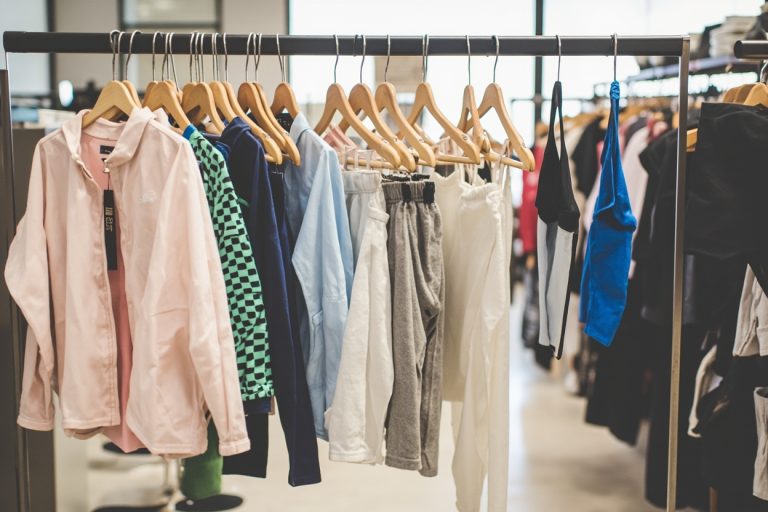
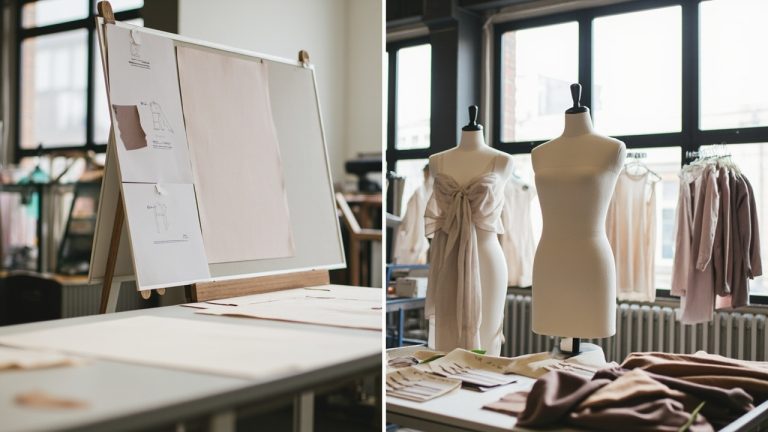
Childrenu2019s apparel samples on display rack: light jackets, swim shorts, rash guards, performance leggings
8 月 07, 2026

Quanzhou Northern Garment Opens SS27 Pre-Production Bookings Across Children\u2019s Outerwear, Swimwear, and Activewear

JINJIANG, China \u2014 Quanzhou Northern Garment Co., Ltd. has opened pre-production bookings for its Spring/Summer 2027 collections across all three of its core product lines: children\u2019s outerwear, swimwear, and activewear. The factory is accepting development inquiries and capacity reservations through October 2026, with first bulk shipments scheduled to begin in late January 2027. The SS27 program covers approximately 180 styles across the three product lines. The outerwear range includes lightweight transitional jackets, hooded windbreakers, and packable rain shells; the swimwear line covers boys\u2019 and girls\u2019 swim shorts, one-piece suits, and rash guards; and the activewear range includes performance leggings, training shorts, and lightweight knit sets for the 4\u201314 age bracket. \u201cSS27 planning starts earlier than ever because our buyers have moved the buying calendar forward by six to eight weeks over the past three seasons,\u201d said the company\u2019s merchandising director. \u201cWe want our development partners to have fabric strike-offs, color palettes, and lab dips in hand by mid-October so that the bulk production window is fully protected.\u201d What\u2019s New in SS27 The 2027 spring/summer development cycle introduces three notable expansions to the factory\u2019s program: Extended color palette. Buyers can select from an expanded SS27 palette of 62 stock colors across shell fabrics, linings, and trim components, up from 48 in SS26. The expansion covers both core neutrals (a wider tonal range in stone, oat, and sand) and seasonal accents (eight new mid-saturation brights for swimwear and activewear). Faster lab dip turnaround. Standard lab dip turnaround is now 5 working days from fabric arrival (down from 7), with a 48-hour rush option available on the six core shell fabrics for buyers working to tight development windows. Broader swimwear size run. The SS27 swimwear range now extends from 80cm through 158cm (up from 176cm ceiling previously), with a dedicated 80\u2013110cm \u201clittle swimmer\u201d capsule designed for early-learning and swim-school channels. Capacity and Lead Times The factory has reserved production capacity for SS27 across its 14 production lines. Standard MOQs remain at 500 pieces per style per colorway, with development samples available in 7\u201310 days from approved artwork and bulk production timelines of 30\u201345 days from approved sample, depending on fabric lead times and trim complexity. For buyers placing full-package commitments (covering fabric sourcing, trim, and production) before November 30, 2026, the factory is offering protected production slots on its January and February 2027 lines. Buyers placing later commitments will be accommodated subject to remaining line capacity. The factory\u2019s in-house compliance program remains current across all relevant certifications, including OEKO-TEX Standard 100 (Class I and Class II), BSCI, GRS, and CPSIA conformity. Compliance documentation is provided as part of every bulk shipment. How to Book Buyers interested in the SS27 program can request the development pack, color palette, and pricing by emailing sales@99northern.com or by submitting an inquiry through 99northern.com/contact. The merchandising team responds to all inquiries within one working day. The factory is also booking factory tour appointments for buyers visiting Jinjiang between September 2026 and February 2027. Tour slots are limited and should be reserved at least three weeks in advance. For buyers attending the 140th Canton Fair in October 2026, the factory will host SS27 walk-throughs at its booth. Specific booth and zone details will be confirmed closer to the fair opening. About Quanzhou Northern Garment Co., Ltd. Quanzhou Northern Garment Co., Ltd. is a Jinjiang-based apparel manufacturer specializing in children\u2019s outerwear, swimwear, activewear, and lifestyle hooded fleece. The factory operates from a 12,000 m\u00b2 production facility in Jinjiang, Quanzhou, Fujian, and has served international apparel brands, importers, and private-label retailers for more than a decade. The company is committed to transparent sourcing, consistent quality, and long-term partnerships with brand customers across Europe, North America, Asia-Pacific, and the Middle East. For SS27 booking inquiries or sample requests, please contact: Quanzhou Northern Garment Co., Ltd. Export Sales Office Email: sales@99northern.com Web: www.99northern.com
8 月 07, 2026

OEM vs ODM for Apparel: How Global Buyers Decide Which Path Fits Their Brand

OEM vs ODM for Apparel: How Global Buyers Decide Which Path Fits Their Brand For any brand planning its next apparel program, the choice between OEM and ODM is one of the first real sourcing decisions to make — and it shapes everything downstream, from sample timing and minimum order quantity to the level of design control the buyer keeps. The two terms get used interchangeably in casual conversation, sometimes alongside a third one, "private label," but in a working factory they point at three genuinely different production paths. This guide is meant for the buying or merchandising team that is about to brief a new factory, or for a founder who is hearing OEM and ODM pitched at a trade show and wants to know what is actually being sold. Below we walk through what each path really means in an apparel context, how Northern structures the two on the floor, and the questions a buyer should ask before choosing which one to commit a program to. OEM — original equipment manufacturer — in apparel means the buyer owns the design and the factory makes it. The buyer ships a tech pack with measurements, construction details, a bill of materials, fabric references, color standards, and label artwork, and the factory's job is to produce garments that match that pack as closely as possible. The buyer has typically already worked through fit, fabric selection, and color with a designer or in-house product team; the factory's role begins at the pattern review and grading step. In an OEM relationship the factory is responsible for sample making, production planning, fabric and trim sourcing to spec, cut and sew, quality control, and pack-out. Design decisions stay with the buyer. Most of the larger brand-side product teams we work with run OEM programs because they want full control over silhouette, fabric hand, and the small details that make a brand recognizable on a retail floor. ODM — original design manufacturer — flips the structure. The factory owns the design. The buyer comes to the factory with a category, a target price band, a customer profile, and a few reference pieces; the factory proposes a collection built on its own blocks, fabric library, and trim sourcing, and the buyer edits, selects, and rebrands what it wants. In a strong ODM relationship the factory is doing the design work that would otherwise sit with an in-house design team or an external design agency. ODM is most useful when the buyer wants to move fast, when the category is one where the factory already has deep pattern and fabric expertise, or when the buyer's brand DNA is light enough that a strong existing block can carry the line. For new brands or brand extensions where speed to market matters more than a fully bespoke silhouette, ODM can shave two to three months off the sample calendar relative to a clean OEM brief. The third term — private label — is often used loosely but usually means something between the two. A private-label factory sells a finished or near-finished garment to a buyer who puts their own brand label on it. There is little to no design customization, the buyer chooses from a small catalog, and the factory has already invested in the development cost. Private label is the fastest and cheapest path, but it gives the buyer the least differentiation. For a brand looking for a clean OEM or ODM partnership, asking the factory how it categorizes private label versus ODM versus OEM tells you a lot about how the factory thinks about design ownership and customization depth. How Northern structures the two paths in practice: our OEM work starts when a buyer sends a tech pack. Our merchandising manager reviews the pack for completeness, our pattern room grades the buyer's block against our standard size set, our fabric team sources the buyer's specified material from mills we already work with, and our sample team makes a proto sample for the buyer's fit review. The buyer typically does two or three rounds of fit and construction comments before we move to a pre-production sample and then bulk. Our ODM work starts with a much shorter brief — category, target price, target customer, references — and we propose a collection built on blocks we have already graded and fabrics we already keep in stock. The buyer edits the proposal, we run a fit sample on the agreed styles, and we move to bulk. Both paths use the same factory floor, the same QC standard (AQL 2.5 unless the buyer specifies otherwise), and the same production calendar. The difference is who carries the design risk in the early months of the program. The cost and lead-time trade-offs are real and worth pricing carefully. OEM programs carry more development time upfront — typically two to four fit rounds before bulk, with sample costs running three to five times the per-piece bulk price. ODM programs move faster because the block is already graded and the fabric library is already sourced, which means sample costs are lower and the calendar is shorter by two to three months. Bulk pricing on ODM is often slightly higher per piece than a comparable OEM run because the factory has amortized its design and development cost into the unit price, while OEM pricing reflects a cleaner per-piece production cost once the buyer's pack is finalized. For a buyer comparing the two paths on a single program, the honest comparison is total program cost — sample cost plus bulk cost plus time value — not just the per-piece bulk price. Quality control looks the same on paper but plays out differently in practice. OEM QC is anchored to the buyer's tech pack, which means every defect has a clear specification the inspector can reference. ODM QC is anchored to the factory's internal specification for the style, which can be just as rigorous but is sometimes less visible to a buyer who has not seen the underlying spec. We document every ODM style we propose with a written spec sheet that the buyer can review and amend before sampling, so the QC reference is always visible. Either way, pre-shipment inspection, AQL sampling, and carton-level documentation are the same on both paths. The bigger variable is the buyer's own internal product team — a buyer with a strong in-house technical team will get more out of OEM; a buyer without that team will get more out of ODM. Which path fits which buyer profile: an established brand with its own design and merchandising team, a clear seasonal creative direction, and the appetite to invest three to four months in development is a strong OEM fit. A brand extension or new category launch where the brand wants to lean on factory expertise to move fast, where price band matters more than full design control, is a strong ODM fit. A brand that wants a single hero SKU for a tight retail window is a strong private-label fit. Most of the brands we work with run a mix — OEM for hero products where brand DNA matters, ODM for category extensions and capsule drops, private label for opportunistic retail and gifting programs. We have found that the buyers who choose their path deliberately for each program tend to move faster and ship better product than buyers who try to force everything into a single sourcing model. How to brief a factory for either path: for an OEM brief, the factory needs a complete tech pack with measurements, construction details, BOM, fabric and trim references, color standards, label artwork, and packaging requirements. Anything missing in the pack becomes a question the factory has to ask, and the round-trip adds days to the sample calendar. For an ODM brief, the factory needs a clear target customer profile, a target price band, references or mood images, and any non-negotiable brand elements. The factory will come back with a proposal that the buyer edits; the cleaner the brief, the more useful the proposal. In both cases the buyer should expect to see proto samples, pre-production samples, and a pre-shipment inspection before any bulk production is committed to. The factory's willingness to walk the buyer through that three-step sampling process is a strong signal that it knows how to run the path the buyer has chosen. For brands that want to test Northern's ODM range, our merchandising manager can send a curated set of existing blocks and fabric options within a week of a brief. For brands that want to start an OEM conversation, the fastest path is to send a representative tech pack from a recent program so we can scope sample cost and timeline accurately. We work with buyers in both modes and are happy to recommend which path makes more sense for a given program if the buyer is uncertain. Send a brief through the Contact page and our team will respond within one business day with a sourcing recommendation, indicative sample cost, and a calendar.

8 月 07, 2026

SS 2027 Kids’ Swimwear: Five Trend Directions Global Buyers Are Sourcing Now

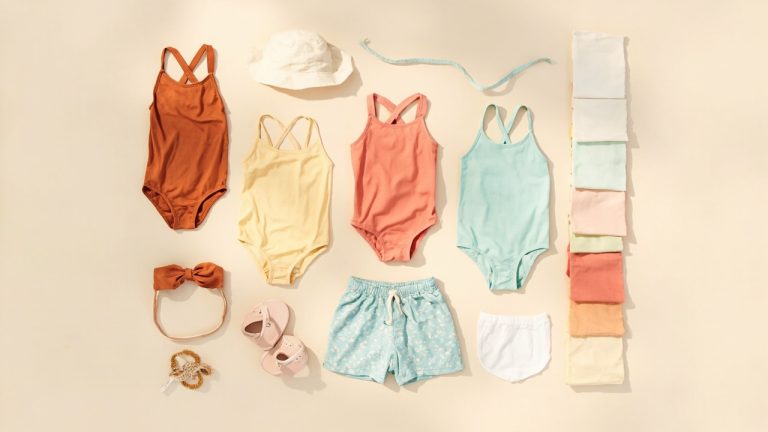
SS 2027 Kids' Swimwear: Five Trend Directions Global Buyers Are Sourcing Now As the Northern Hemisphere retail calendar turns toward the next warm-weather selling season, our sourcing desk is now deep into SS 2027 swimwear sampling for global brand partners. Over the past two months we have fielded briefs from European private-label buyers, a North American mid-market chain, and three emerging direct-to-consumer swimwear labels, all sketching out their SS 2027 collections in parallel. The conversations have been remarkably consistent: the SS 2027 kids' swimwear story is less about loud novelty and more about quiet confidence — better fabrics, cleaner construction, and a more responsible materials story than buyers were willing to commit to even two seasons ago. Below we share five trend directions that have come up in nearly every brief this month, with notes on what each means for the development and production calendar. The dominant SS 2027 palette is a deliberate move away from the saturated digital brights that defined 2024 and 2025. Buyers are asking for earthy terracotta, soft butter yellow, faded coral, sun-faded aqua, and a warm off-white that is replacing stark optic white across most ranges. The accent story is gentler too: a single pop of saturated cobalt or hot magenta reserved for one or two pieces in a collection, rather than a full bright range. For kids' swimwear specifically this matters because parents still associate neon with cheapness, and the SS 2027 palette reflects a deliberate move up-market. On the production side these tones are friendly to work with — the dyeing houses in our Fujian network already run most of these shades as stock colorways, which keeps MOQs reasonable and lead times short. For buyers wanting a fully bespoke palette, we recommend finalizing Pantone references no later than mid-October to keep the SS 2027 production window on schedule. Fabric is the loudest trend conversation of the SS 2027 cycle. Across the briefs we have seen this season, three claims are now considered table stakes rather than premium upgrades: GRS-certified recycled polyester for the main body fabric, OEKO-TEX Standard 100 Class I certification for anything that touches a baby's skin, and a UPF 50+ rating verified to the AS/NZS 4399 or equivalent standard for sun-protective claims. ECONYL regenerated nylon is also starting to appear in briefs from European brands with explicit ocean-plastic commitments, though pricing and minimum order quantities are still a step above conventional nylon. None of these are new fabrics, but the SS 2027 cycle is the first where they are being requested across nearly every brief rather than only by the most sustainability-forward labels. For our facility, the implication is meaningful: most of these certifications are already in place across our kid-focused fabric library, and we have begun rolling out GRS-certified recycled polyester lines for buyers who want a one-mill sourcing path for both fabric certification and finished garment production. We are also seeing more buyers ask for chlorine-resistant fabric treatments for rash guards and swim trunks, which extends product life and supports the durability story that parents are increasingly vocal about. On the silhouette side, three shapes are doing most of the work in the SS 2027 briefs we are sampling. The first is the modest one-piece, which is back in a serious way across the 6 to 14 age range after years of two-piece dominance in the kids' market. Modest coverage here means higher necklines, slightly longer torso lines, and a return to the sportier cut lines that European buyers associate with technical swimwear rather than beach cover-ups. The second is the rash guard set — a long-sleeve rash guard paired with matching swim shorts or swim leggings, often in a coordinating print rather than a solid. This silhouette is being requested by every mid-market buyer we have talked to in 2026, and the SS 2027 cycle looks like the year rash guards graduate from a UV-protection accessory to a primary category in their own right. The third is the coordinated family story, where a single print or color appears across a women's swimsuit, a men's swim short, a girl's one-piece, and a boy's rash guard set — a request that more buyers are making because it directly supports resort retail and Instagram-led marketing. Across all three silhouettes the common thread is cleaner construction: flatlock seams, bonded hems where the design allows, and prints that are engineered rather than placed. Our pattern room has been re-grading the standard block set to make these cleaner constructions easier to hit at the SS 2027 production volumes. Functional details continue to move from niche to mainstream for SS 2027. Front zips on one-piece suits — once associated almost exclusively with baby swim — are now being requested across the entire kids' range because they make changing easier for parents and reduce the wear on necklines from pulling garments over young heads. Adjustable shoulder straps on one-pieces and bikini tops are appearing more often in tech packs, and we are now specifying them as standard on the girls' range blocks we keep in our pattern library. Inside the garments, the small things matter: brushed linings at the chest and seat panels for chlorine-prone styles, gusset construction that has been engineered to avoid the chafing complaints that come back on lower-priced competitors, and branded elastic that holds its stretch after twenty-plus wash cycles. We are also seeing more briefs specify a chlorine-resistant finish as a default for rash guards and swim trunks, which is a small line-item cost in production but a meaningful claim at retail. Kids' sizing in the SS 2027 cycle is trending more standardized than it has been in previous seasons. Most buyers we work with are now specifying the 92cm to 158cm height range, with the understanding that regional markets size slightly differently inside that range. We are keeping our kids' swimwear block set graded in 6cm increments to match the most common brief, and our fit samples are built on standard dress-form sizes that map cleanly to those height points. The other sizing conversation is around vanity sizing — buyers are explicitly moving away from it for SS 2027 and asking for tech-pack measurements that match the actual garment rather than an aspirational size label. This is good news for production because it reduces the number of grading revisions per style and keeps the fit approval process on a tighter calendar. For buyers with their own sizing standards, we run a short fitting on our standard blocks before sampling so that grading time is spent on the brand-specific fit, not on rebuilding a standard block. SS 2027 production timing is the topic on every brief that crosses our merchandising manager's desk this month. Most buyers we work with are planning to lock their SS 2027 color and silhouette stories by the end of October, with first samples in hand by mid-December and bulk production running from January through March 2027 for retail delivery in February through May of next year. Sample lead times for the requests we have already received are running around 18 to 25 days from tech-pack confirmation, depending on fabric sourcing and print development; bulk production lead times are landing in the 50 to 70 day range after fabric is in-house, which is consistent with prior seasons. The big change for SS 2027 is that buyers are asking for earlier fabric commitments, often locking GRS-certified recycled polyester and ECONYL stock by late September to secure slot allocation at the mill level. Our recommendation to any brand still finalizing its SS 2027 story is to firm fabric and color choices by mid-October at the latest — that gives enough calendar room for grading, sample making, fit approval, and bulk production to land retail-ready without compressing any single phase of the timeline. This is the swimwear sourcing environment our partners are planning into for SS 2027, and it lines up well with the way Northern has been building its kids' swimwear program over the past several seasons. Recycled polyester and OEKO-TEX Class I fabrics are already in our library, our chlorine-resistant finish is standard on rash guards and swim trunks, and our pattern room has the modest one-piece and rash guard set blocks re-graded for the cleaner constructions that the market is asking for. For brands that want to lock SS 2027 sampling slots now, or for buying teams that want to understand what a sourcing path through Northern looks like, we welcome a brief at any time. Send it through the Contact page and our merchandising manager will respond within one business day with a sample plan, indicative capacity windows across our hanging and cutting lines, and a fabric-and-finish matrix matched to the SS 2027 trend directions above.

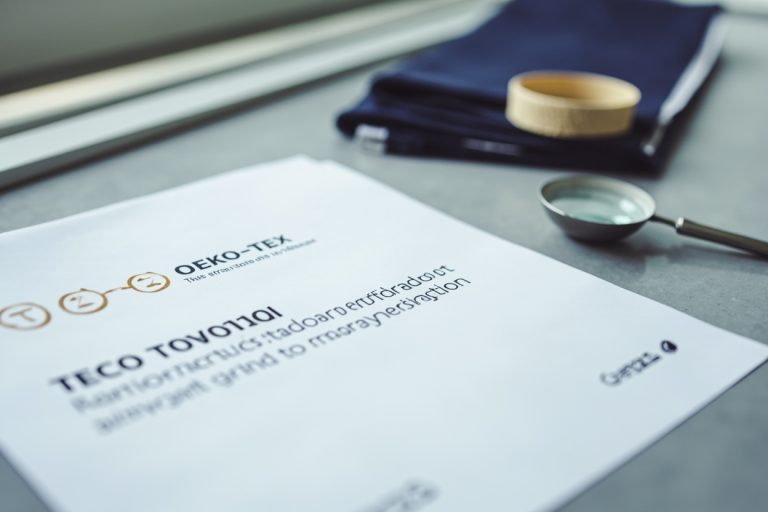
OEKO-TEX Standard 100 textile certification document on a desk with fabric swatches
11 月 15, 2025

Quanzhou Northern Garment Renews OEKO-TEX Standard 100 Certification for 8th Consecutive Year

JINJIANG, China — Quanzhou Northern Garment Co., Ltd. has successfully renewed its OEKO-TEX Standard 100 certification for the eighth consecutive year, with the new certificate valid through October 2026. The renewal covers the full scope of the factory’s children’s outerwear, swimwear, activewear, and hooded fleece production, including both Class I (baby articles up to 36 months) and Class II (articles in direct contact with skin for older children). OEKO-TEX Standard 100 is one of the world’s best-known labels for textiles tested for harmful substances. The certification is renewed annually through independent laboratory testing of fabric, trim, and finished garment samples against the STANDARD 100 by OEKO-TEX® Annex 4 limit values, which are updated each year to reflect the latest scientific and regulatory understanding of substance risks in textile production. “A renewal that passes without major corrective action is, in our experience, the strongest signal you can give a buyer,” said the company’s compliance manager. “Every dye lot, every print paste, every zipper tape has to test clean. An eight-year run means we have built the upstream sourcing discipline to keep it that way.” What’s Covered in the 2025–26 Cycle The renewal scope includes more than 240 fabric references currently in active production, plus the factory’s full range of linings, interlinings, and trim components. Key coverage points: All shell fabrics — including recycled-nylon, recycled-polyester, virgin nylon, virgin polyester, and cotton-rich blends All linings — including brushed tricot, polyester taffeta, and Sherpa-style fleece All print and dye systems — including reactive, disperse, pigment, and digital print methods All trim components — including YKK and SBS zipper tapes, snap fasteners, woven labels, printed labels, and elastic bands The factory additionally maintains GRS (Global Recycled Standard) certification for its recycled-content outerwear line and BSCI (Business Social Compliance Initiative) audit currency, both of which were re-verified in the same 12-month window. Why It Matters for Buyers For European and North American buyers, the renewal supports a number of downstream requirements: EU REACH compliance. OEKO-TEX Standard 100 testing follows the REACH Annex XVII restricted-substance list and extends beyond it. Buyers can use the factory’s certificate as primary evidence of REACH conformity for finished goods. US CPSIA compliance. The Class I certification specifically addresses CPSIA lead-content and phthalate limits for children’s products. Retailer vendor manuals. Most major European specialty retailers, department stores, and outdoor brands require current OEKO-TEX documentation as part of vendor onboarding and seasonal audits. Reduced buyer-side testing. Buyers who source from certified factories can typically reduce their own incoming-inspection testing cadence, with the OEKO-TEX certificate accepted as primary compliance evidence. How the Factory Maintains the Standard The renewal is the visible outcome of a year-round compliance process, not an annual scramble. The factory’s compliance program includes: A restricted-substance list (RSL) maintained in both English and Chinese, updated whenever OEKO-TEX publishes a new limit-value table. Pre-shipment fabric and trim testing on every bulk production lot, conducted through an OEKO-TEX-accredited partner laboratory. Quarterly internal audits of incoming chemical, dye, and finish suppliers, with audit reports archived for 5 years. A documented corrective-action protocol for any out-of-specification test results, including lot-level quarantine and supplier-side investigation. Continued Investment in Compliance In parallel with the renewal, the factory has begun preparing for the OEKO-TEX Made in Green label, which combines STANDARD 100 certification with verified environmental and social responsibility at the production site. The Made in Green certification is targeted for completion in 2026. The factory has also expanded its in-house compliance team, adding a dedicated RSL specialist in Q3 2025 to support buyers navigating the increasing complexity of multi-jurisdictional substance regulation — including EU PFAS restrictions, US state-level dye-chemical rules, and the evolving requirements of the UKCA framework post-Brexit. About Quanzhou Northern Garment Co., Ltd. Quanzhou Northern Garment Co., Ltd. is a Jinjiang-based apparel manufacturer specializing in children’s outerwear, swimwear, activewear, and lifestyle hooded fleece. The factory operates from a 12,000 m² production facility in Jinjiang, Quanzhou, Fujian, and has served international apparel brands, importers, and private-label retailers for more than a decade. The company is committed to transparent sourcing, consistent quality, and long-term partnerships with brand customers across Europe, North America, Asia-Pacific, and the Middle East. For compliance documentation, sample requests, or audit-related inquiries, please contact: Quanzhou Northern Garment Co., Ltd. Compliance Office Email: sales@99northern.com Web: www.99northern.com
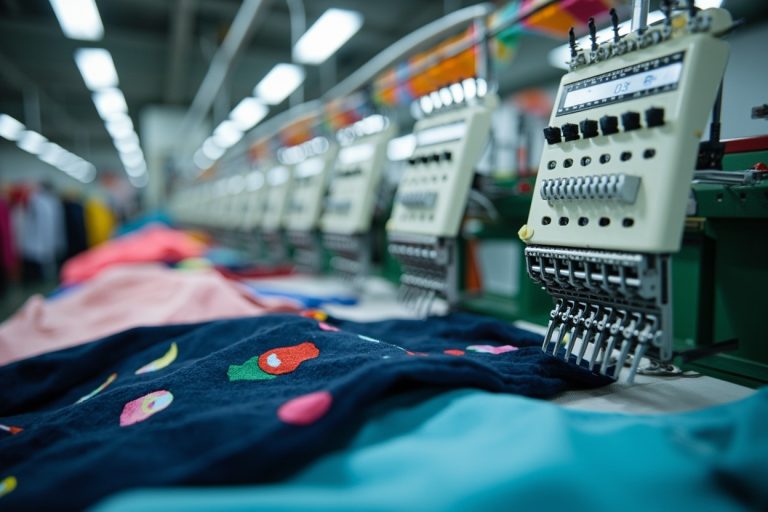
embroidery test
8 月 22, 2025

Quanzhou Northern Garment Adds 80-Stitch Computerized Embroidery Line, Expanding Customization Capacity for Mid-Market Brands

JINJIANG, China — Quanzhou Northern Garment Co., Ltd. has commissioned a new 80-stitch computerized embroidery line at its Jinjiang production facility, expanding the factory’s in-house customization capacity for mid-market children’s apparel brands, outdoor labels, and lifestyle private-label programs. The line went into commercial production in August 2025 and is now booking orders for Autumn/Winter 2026 and Spring/Summer 2027 collections. The new line consists of six multi-head computerized embroidery machines configured for production runs of chest logos, sleeve crests, back yokes, appliqué patches, and full-back graphics on finished garments and cut panels. The line is supported by an in-house digitizing team that prepares embroidery files directly from buyer-provided artwork, samples, or technical packs. “For our buyer profile, embroidery is often the detail that justifies the price point,” said the factory’s production director. “Whether it’s a tonal chest logo on a basic fleece hoodie or a heritage crest on a wool-blend peacoat, the embroidery has to be flat, the registration has to be tight, and the turnaround has to be fast. We’re building the line that delivers all three.” What the New Line Enables The line was specified to address three capacity gaps that the factory identified in its 2024 customer survey: Tonal and low-contrast embroidery. Buyers increasingly request embroidery that sits flush with the garment color and reads through texture rather than contrast. The new machines are configured with flat-bed table heights, programmable thread tension, and bobbin-thread detection systems calibrated for fine-gauge embroidery on lightweight fleece, interlock, and piqué knits. Faster design-to-production turnaround. In-house digitizing reduces file-preparation time from an average of 5–7 days (when outsourced) to 24–48 hours for most logos, crests, and appliqué designs. For repeat orders, file turnaround is typically under 4 hours. Tighter quality control. The line is staffed by a dedicated QA lead and four embroidery operators with an average of 6 years of embroidery-specific experience. Production samples are inspected at machine start, mid-run, and end-of-run, with stitch-count verification on every design. Production Specifications The new line supports the following production parameters: Stitch counts up to 80,000 stitches per design (suitable for detailed crests, branded graphics, and large-format back-yoke embroidery) Fabric thickness range from 0.5mm (single-jersey tee) to 6mm (heavy wool-blend peacoat with backing) Thread count from single-needle fine detail to 12-needle wide satin stitch Color palettes up to 12 thread colors per design Backing options including tear-away, cut-away, and heat-dissolvable film for performance garments Common applications include chest and sleeve logos, back-yoke graphics, appliqué patches, monogram crests, and decorative border stitching. The factory can also produce embroidered care labels as a sustainable alternative to woven or printed labels on performance fleece and activewear. Pricing and MOQ Embroidery decoration is available as a value-add service on any OEM or ODM order. Pricing is based on stitch count, design complexity, and order quantity. Minimum order quantities for custom embroidery on existing factory styles start at 200 pieces per design per colorway, with development samples available in 7–10 days. For buyers commissioning full custom developments (including pattern, fabric, and embroidery), MOQs follow the factory’s standard 500-piece floor with development timelines of 30–45 days from approved sample. About Quanzhou Northern Garment Co., Ltd. Quanzhou Northern Garment Co., Ltd. is a Jinjiang-based apparel manufacturer specializing in children’s outerwear, swimwear, activewear, and lifestyle hooded fleece. The factory operates from a 12,000 m² production facility in Jinjiang, Quanzhou, Fujian, and has served international apparel brands, importers, and private-label retailers for more than a decade. The company is committed to transparent sourcing, consistent quality, and long-term partnerships with brand customers across Europe, North America, Asia-Pacific, and the Middle East. For embroidery sample requests, capacity inquiries, or development quotations, please contact: Quanzhou Northern Garment Co., Ltd. Production Office Email: sales@99northern.com Web: www.99northern.com
5 月 08, 2016

Container Loaded: Quanzhou Northern Garment Completes Children’s Spring Outerwear Order for European Buyer

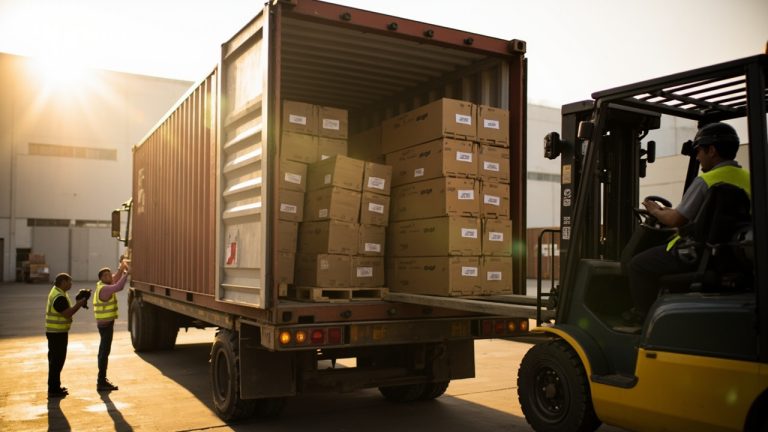
Container Loaded: Quanzhou Northern Garment Completes Children's Spring Outerwear Order for European Buyer A 40-foot high-cube container was loaded and sealed this week at Quanzhou Northern Garment's production facility in Jinjiang, marking the completion of a children's spring outerwear order for one of our European brand partners. The container departed the facility under buyer seal and is now in transit to the port of Xiamen for vessel loading, with an estimated time of arrival at the destination port in early June. The shipment covers approximately 6,500 pieces across lightweight jackets, hooded vests, and matching pants, packed into 380 master cartons and tailored to the buyer's specific packaging and labeling requirements. The order was confirmed in late January and moved through the standard Northern production cycle over the following weeks. Pattern development and graded sizing were completed in the first two weeks, covering six size points from 92cm through 158cm to match the buyer's size chart for the European retail channel. Fabric and trim sourcing followed immediately, drawing from our established supplier network in Quanzhou and the wider Fujian textile hub. Main production for jackets and vests began in early March on the factory's automated cutting lines, with sewing split across multiple lines to keep daily output stable and to maintain the AQL 2.5 standard our buyer specifies in the technical pack. Throughout the run, our inline QC team performed daily checks on stitching, seam strength, snap placement, and zipper function; the buyer was sent weekly progress reports with photos and small sample swatches so that any fit or color decision could be made without slowing the line. By the final week of production the daily output had settled into a steady cadence, with the sewing floor reporting consistently against the target rate and no major style deviations flagged during the final fitting review. This shipment sits inside Northern's broader production program for the European market, where we now run three to four container shipments per month for brands focused on children's outerwear and lightweight lifestyle apparel. Across our 30,000 square meter facility in Jinjiang, more than 600 production staff work alongside eight automated hanging production lines and five automated cutting machines, supported by a sourcing network that stretches across the Fujian textile hub and into the wider Yangtze River Delta. Our buyer portfolio leans heavily on partners who prioritize traceability and compliance: we maintain active BSCI and SA8000 social audits, hold OEKO-TEX Standard 100 certification across the majority of our kid-focused fabric library, and have begun rolling out GRS-certified recycled polyester lines for buyers with explicit recycled-content targets. None of these credentials are bolt-ons — they shape how we plan production runs from the moment a buyer's tech pack arrives, because the same fabric and trim decisions made in week one determine whether a container can clear destination customs six weeks later. For this particular shipment, the chosen shell fabric carried an OEKO-TEX Standard 100 class I certificate, which the buyer's import team had specifically requested for the European retail channel. Pre-shipment inspection took place over the final ten days before container loading. Our QC lead coordinated with two of the buyer's nominated inspectors to walk through one hundred percent of the finished cartons, with random sample pulls against the AQL 2.5 sampling plan for both major and minor defects. The inspection covered not only garment construction but also packaging integrity: polybag sealing, fold alignment, master carton weight, and barcode readability were all verified against the buyer's packaging manual. After a brief round of touch-up packing — including a small number of polybag re-seals and replacement of two cartons that had been dented during stacking — the inspector signed off on the full quantity. Final packing lists, carton-level weight tickets, and the buyer's required carton summary sheet were prepared and cross-checked against the purchase order line items before any carton was sealed for export. A short photo report was compiled alongside the inspection record, capturing carton labels, polybag sealing, and a representative garment laid flat for the buyer's reference archive. Container loading took place on the morning of the shipment date under clear skies. The 40HC container arrived from the shipping line's depot the previous afternoon and was inspected by our logistics coordinator for any pre-existing damage, odor, or moisture before being positioned at the loading bay. Inside the warehouse, finished cartons had been staged in the order they would be loaded, with heavier pieces at the bottom and lighter cartons on top, and each layer braced with paper slip sheets to prevent shifting during transit. Our loading crew — three warehouse staff and one supervisor — worked with a forklift operator to build the load pallet by pallet across the morning, pausing briefly between layers to verify carton placement against the pre-planned load map. Once the container was filled, the doors were closed, the buyer's numbered seal was applied under the supervisor's direct watch, and a photograph of the sealed container with its seal number visible was sent to the buyer for their records. The container is moving under FOB Xiamen terms, with the shipping line and vessel details confirmed by our logistics partner earlier in the week. The booking reference and the Bill of Lading draft have already been shared with the buyer's import team, along with the commercial invoice, packing list, and certificate of origin issued through our local chamber of commerce. For each of our orders we also share the container number and seal number in advance so that the buyer can plan receiving at the destination port and pre-clear the shipment through their customs broker. The estimated time of arrival at the destination port is early June, depending on the vessel schedule and any port congestion along the way. Our logistics partner will continue to track the shipment and provide updated ETAs to the buyer as the vessel approaches the destination, with the aim of giving the receiving warehouse at least one full week of notice before arrival. Communication with the buyer has run continuously from confirmation through loading. Beyond the standard weekly progress reports, we sent two updates during production that the buyer's team specifically asked for: a fabric hand-feel video so that they could confirm the chosen material still met the original brief after sourcing, and a pre-shipment photo set showing the folded garments inside representative cartons so they could verify the folding standard before sealing. With the container now sealed, the buyer has received the loading photograph, the seal number, and a draft commercial invoice for their import team's review. They have flagged that they would like a brief post-shipment follow-up once the container clears customs at the destination port, and our logistics partner is already set up to share that update directly with the buyer's import coordinator on the day of clearance. The communication cadence we keep for this buyer reflects how we work with most of our longer-term partners. From PO confirmation onward, we send a structured weekly report covering the prior seven days — production output by line, inline QC pass rates against the AQL 2.5 sampling plan, any open issues that need buyer input, and a forecast for the next week. Reports are sent on Monday mornings local time so the buyer's team in Europe has them before their working day starts. Outside of weekly reports, we send issue-specific updates the moment something materially changes: a fabric lead-time slip, a color lab dip result, a packaging deviation, a photo set from the floor. That cadence is what allowed this shipment to move from late-January PO confirmation to early-May container loading without any significant delay or rework, even as the European retail calendar compressed the buyer's own receiving window. This shipment reflects the production cadence Northern has built for European and North American buyers across kids' outerwear, activewear, swimwear, and lifestyle apparel. With more than a decade of apparel manufacturing behind us, multiple automated cutting and hanging lines, and a sourcing network that reaches across the Fujian textile hub, we are set up to handle orders at the scale this buyer requires without losing the small-run attention to fit and finish that makes the difference on a children's line. Above all, this shipment is a reminder that reliable export manufacturing is built on hundreds of small daily decisions, not a single big one. From the morning a tech pack lands on our merchandising manager's desk to the moment a buyer's seal is pressed onto a container door in our yard, every step is documented, photographed when it adds value, and traceable to a person. If you are a brand planning a children's outerwear program for the next season, or a buying team looking to shift a portion of your current production to a more reliable manufacturing partner in mainland China, we welcome the opportunity to discuss your program. Send us a brief through the Contact page and we will respond within one business day with a tailored sourcing plan. For programs that need to start sampling in the next four to six weeks, we can also share indicative capacity windows across our hanging and cutting lines so that production timing can be planned before a final PO is signed.