Quanzhou Northern Garment to Showcase AW27 Children’s Outerwear Collection at 140th Canton Fair
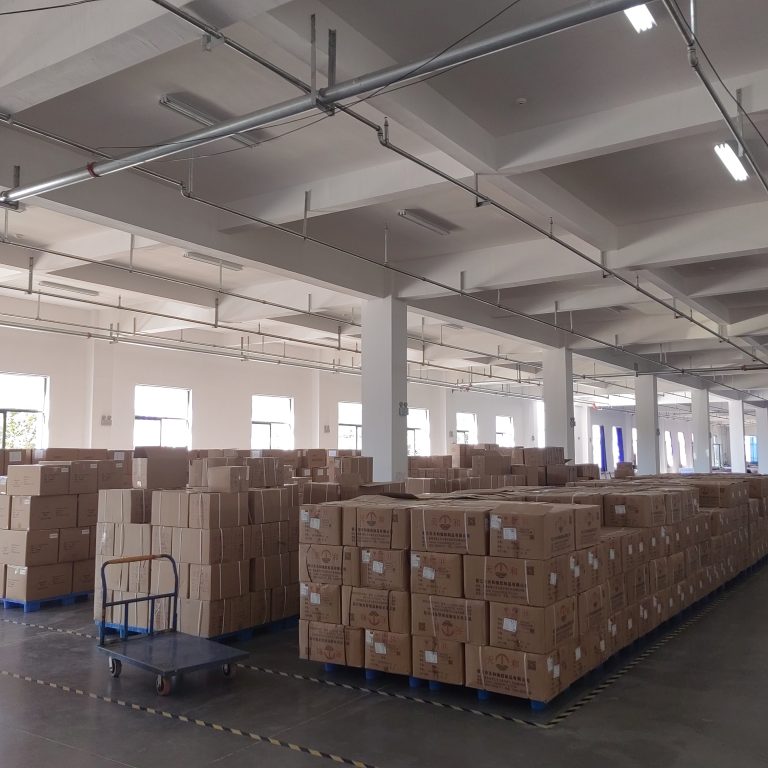
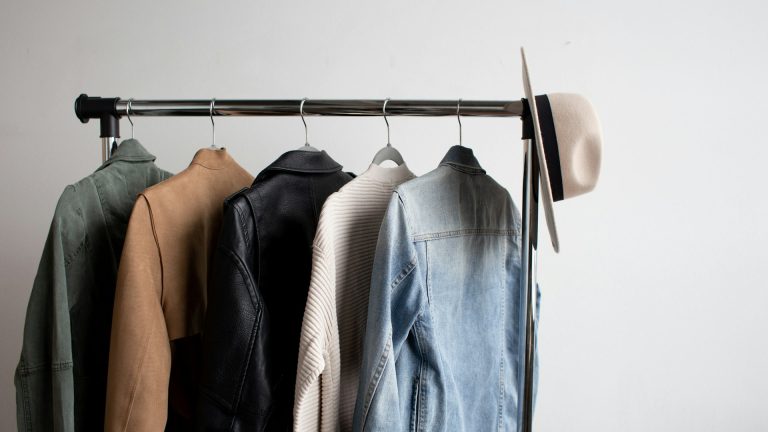
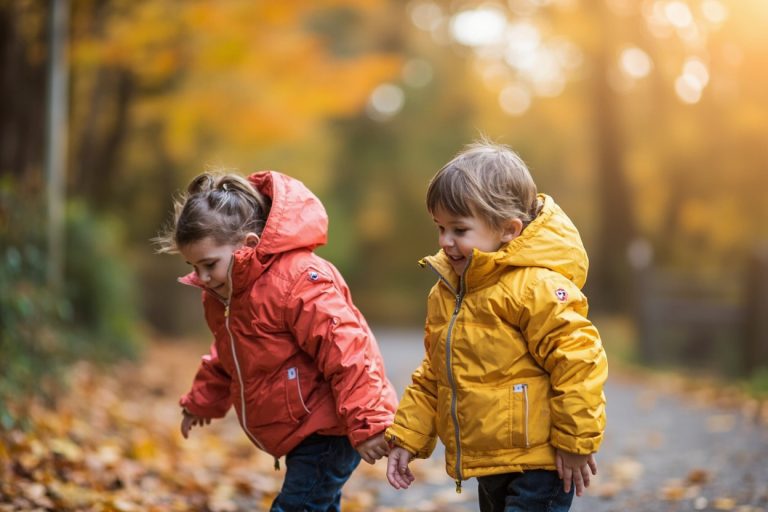
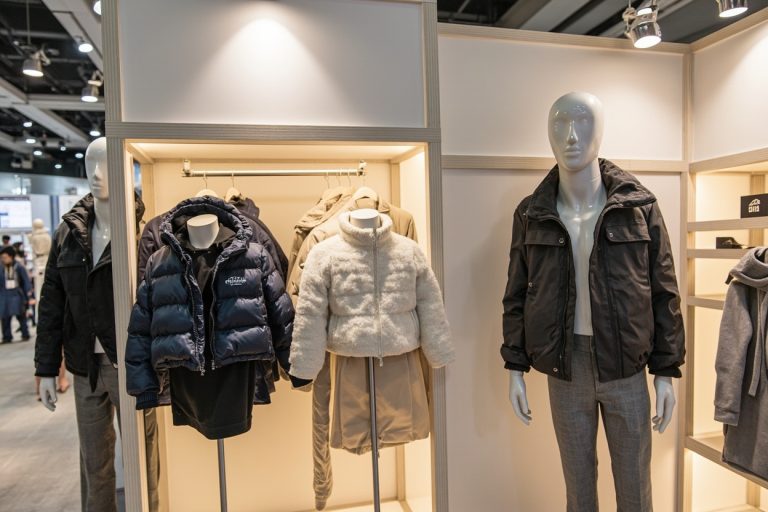
JINJIANG, China — Quanzhou Northern Garment Co., Ltd. today announced it will exhibit its Autumn/Winter 2027 children’s outerwear collection at the 140th edition of the China Import and Export Fair (Canton Fair), Phase 1, scheduled for October 14–19, 2026 at the China Import and Export Complex in Guangzhou. The factory will exhibit approximately 60 styles spanning four core categories: lightweight down jackets, padded parkas, fleece-lined windbreakers, and quilted transitional jackets for babies, toddlers, and juniors (sizes 80–160 cm). Specific booth assignment in the Phase 1 exhibition halls will be confirmed closer to the fair opening. The booth will be open daily from 09:30 to 18:00 throughout the six-day run. “AW27 is the season our European and North American buyers plan most carefully,” said the company’s export sales lead. “Canton Fair is where those conversations begin. We bring physical samples, a small sewing line, and our merchandising team — buyers can finalize fabric choices, colorways, and trims in a single visit, without waiting three weeks for a courier.” The AW27 Collection The collection is built around three commercial themes, each developed in response to retail feedback from the company’s core buyer base across the European Union, the United Kingdom, North America, and Australia: Urban Capsule — clean, minimal silhouettes in solid colors (stone, charcoal, navy, ivory, off-white) targeting department-store private labels and contemporary kids brands. The capsule includes four anorak cuts, three bomber-style puffers, and a set of coordinating sherpa-collar truckers for parent-and-child capsule dressing. Heritage Outdoor — waxed-cotton finishes, sherpa collars, and heritage check linings aimed at the European mid-market and outdoor specialty channels. The line draws on British workwear and Scandinavian après-ski references, with emphasis on functional pocket layouts, storm cuffs, and removable insulated hoods. City Sport — bonded fleece, color-blocked puffers, and reflective trims for the athleisure-adjacent junior market. Designed for the secondary-school age bracket, the line prioritizes ease-of-care finishes and reflective safety details for low-light conditions. Material innovations for the season include a 380T recycled-nylon outer shell (GRS-certified), a 650-fill responsibly-sourced down option with full traceability documentation, a 280gsm bonded fleece that the factory says significantly reduces seam leakage on lightweight constructions, and a new C0-DWR (fluorine-free) water-repellent treatment available across the entire outerwear range. What Buyers Will See on the Booth The factory uses Canton Fair to surface capabilities that don’t translate well through PDFs, lookbooks, or video calls: Live sewing demonstrations. A two-station micro sewing line on the booth floor lets buyers compare stitch quality, bartack reinforcement, seam-sealing methods, and tape-application finish side by side. The line runs throughout opening hours, with technical staff available to explain stitch selection, thread tension, and seam-seal alternatives. Trim and hardware library. Over 200 physical samples of zippers (YKK, SBS, Prym), snaps, press-studs, decorative ribbons, woven labels, printed labels, and hangtags are laid out for buyers to handle. Hardware pulls, sliders, and zipper tapes can be color-matched against fabric swatches in real time. Lab-dip and strike-off reviews. Color cards and strike-offs for the AW27 palette will be on hand; merchandising staff can adjust on the spot based on buyer feedback. Strike-off turnaround for custom developments is typically 5–7 days from fabric arrival. Compliance documentation walk-through. OEKO-TEX Standard 100 (current certificate valid through Q2 2027), BSCI audit reports, GRS chain-of-custody documentation, and CPSIA compliance binders are available for review, with technical staff on hand to answer detailed questions about REACH, Prop 65, and country-of-origin labeling requirements. OEM/ODM Capability Quanzhou Northern Garment operates as a full-package OEM and ODM partner for children’s outerwear and adjacent lifestyle apparel. In-house capabilities include pattern making, grading, marker planning, sample development, bulk production, and pre-shipment inspection. The factory operates 14 production lines and runs a three-shift cycle during peak season. Annual capacity is approximately 2.4 million pieces across outerwear, swimwear, activewear, and hooded fleece categories, with a workforce of approximately 380 production staff and 40 merchandising, technical, and quality personnel. The factory’s quality control workflow includes inline inspection at every stage (cutting, sewing, finishing, packing), a final AQL 2.5 inspection on every shipment, and full pre-shipment sample retention for 12 months. The factory ships primarily to European Union member states, the United Kingdom, North America, Australia, and Japan, with established logistics partnerships for FOB, CIF, and DDP terms. MOQs typically start at 500 pieces per style per colorway, with development timelines of 30–45 days from approved sample to first bulk shipment, depending on fabric lead times and trim complexity. For urgent reorders on existing styles, the factory quotes 20–25 days. Sourcing and Compliance The factory maintains a 12-month rolling inventory of core shell fabrics and linings, which the export team says is one of the most underappreciated risk-mitigation levers the company offers buyers. “We have seen the apparel calendar move forward by four to six weeks over the past two seasons,” the export lead noted. “Buyers who work with mills that hold stock for them consistently outperform buyers who start fabric sourcing in March.” The factory is certified to OEKO-TEX Standard 100 (Class I for babywear and Class II for older children), is audited annually under the BSCI framework, holds GRS certification for recycled-content claims, and participates in the Sedex Members Ethical Trade Audit (SMETA) on a 12-month cycle. All down and feather fills are sourced from suppliers participating in the Responsible Down Standard. Booking a Meeting The export team is accepting pre-scheduled meetings now through October 9, 2026. Buyers can request a meeting slot, request specific samples to be prepared for their visit, or arrange factory tours in the days before or after the fair by emailing sales@99northern.com or via the inquiry form at 99northern.com/contact. The company can arrange airport pickup from Guangzhou Baiyun International Airport (CAN), daily shuttle service between recommended hotels and the fair complex, and factory tour transportation for the days surrounding the fair. Walk-in visitors are welcome, but pre-booked meetings are guaranteed a dedicated merchandising consultant and a private sample viewing area away from the main booth traffic. About Quanzhou Northern Garment Co., Ltd. Quanzhou Northern Garment Co., Ltd. is a Jinjiang-based apparel manufacturer specializing in children’s outerwear, swimwear, activewear, and lifestyle hooded fleece. The factory operates from a 12,000 m² production facility in Jinjiang, Quanzhou, Fujian, and has served international apparel brands, importers, and private-label retailers for more than a decade. The company is committed to transparent sourcing, consistent quality, and long-term partnerships with brand customers across Europe, North America, Asia-Pacific, and the Middle East. For media inquiries, sample requests, or interview requests at the 140th Canton Fair, please contact: Quanzhou Northern Garment Co., Ltd. Export Sales Office Email: sales@99northern.com Web: www.99northern.com