US 50% Tariff on Canadian Outerwear Reshapes Fall Sourcing Strategies for US Retailers
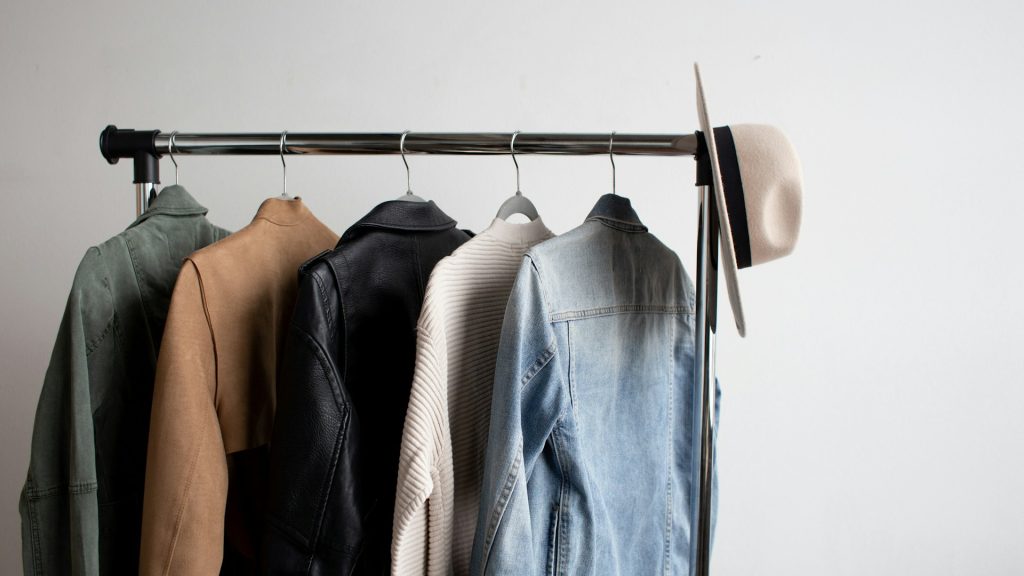
With 50 percent US tariffs on Canadian goods now in force, outerwear is taking one of the heaviest hits of any apparel category this fall. According to University of Delaware professor of fashion and apparel studies Dr. Sheng Lu, roughly 36 percent of garments labeled “Made in Canada” in recent product-level evaluations fall into the outerwear category, covering coats, jackets, and blazers. For US retailers carrying premium Canadian outerwear, that means a structural cost increase that cannot easily be worked around.
The affected products reach US shelves primarily through premium department stores such as Neiman Marcus, Bloomingdale’s, and Saks Fifth Avenue. Specialty and off-price channels are less exposed. For brands like Canada Goose, Kanuk, Moose Knuckles, and Quartz Co., the constraint is even tighter: outerwear has a short sell-through window, and order books were locked in months ago. Dr. Lu notes that brands and retailers are unlikely to cancel existing orders at this stage, given that flexibility on premium outerwear is far more limited than on basic items like T-shirts.
Where does that leave pricing? Dr. Lu expects a “mix of measures.” Some tariff cost will be absorbed by brands and retailers because there is no immediate alternative manufacturing base for these specialized products. Price elasticity is low. But the 50 percent rate is substantial enough that some share of the increase will inevitably reach the consumer, particularly on higher-priced coats and jackets.
The longer-term signal is more concerning than the fall sticker shock. The USMCA formal six-year review in July did not produce unanimous support for renewal. Instead, the current US administration has signaled an annual review process, adding new procedural steps from federal register announcements to public comment and hearings. If that process drags on without resolution until USMCA expires in 2036, there is little incentive for companies on either side of the border to commit to new sourcing investments.
For B2B apparel buyers, the practical read is straightforward: Canadian-made outerwear is now a higher-cost, higher-risk category. Sourcing teams that previously diversified between Canada and Asia should reassess their country mix for fall-winter programs. Asian OEM/ODM partners with proven down jacket, wool coat, and technical outerwear capabilities can absorb category demand that Canada can no longer serve at competitive landed cost. Order timing, label origin documentation, and USMCA-compliant material sourcing will all need fresh review for any program that historically leaned on Canadian production.
Sources: https://wwd.com/sourcing-journal/trade/outerwear-us-canada-trade-war-tariffs-retail-prices-1239173169/, https://wwd.com/sourcing-journal/industry-news/50-percent-tariffs-section-338-canada-trade-deal-usmca-ustr-1239146745/