Better Cotton Pilot Turns Child-Labour Due Diligence into Community Action
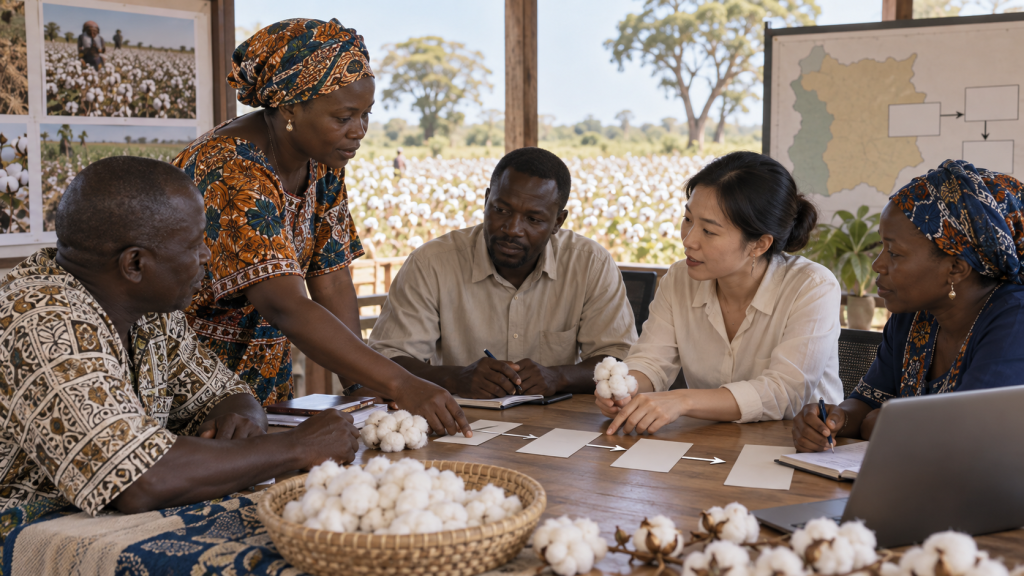
Better Cotton reported on September 24, 2026 that a new Child Labour Monitoring and Remediation System project is moving into implementation in the Tchologo Region of Côte d’Ivoire. The project was officially launched on August 10 in Ferkessédougou and will run until March 2027.
Implemented by SECO S.A., a Better Cotton Programme Partner, with support from Better Cotton’s Growth and Innovation Fund, the project targets 12 villages, approximately 15,000 Better Cotton producers and 27,000 agricultural workers, together with their children and families.
The project combines monitoring with remediation
Its objectives include reducing child-labour risk, establishing monitoring and referral pathways, improving access to education and supporting more resilient livelihoods for adults. Social workers will support awareness and community-level protection mechanisms.
This approach matters because a supplier declaration or prohibition clause cannot by itself identify every risk or support an affected child. Effective due diligence needs trusted reporting channels, trained local actors, defined escalation routes and practical remediation.
What apparel sourcing teams can learn
- Map risk beyond the garment factory to farms, gins and other upstream stages.
- Ask how worker and community concerns are detected, documented and referred.
- Check whether local organisations have clear roles and adequate training.
- Measure remediation outcomes, not only the number of audits or cases identified.
- Protect confidentiality and avoid procurement responses that discourage disclosure.
- Support realistic timelines and purchasing practices that do not shift pressure upstream.
Responsible purchasing must support honest reporting
Buyers should distinguish between evidence of a functioning monitoring system and a promise that no risk exists. A credible program may initially identify more cases because workers and communities trust the reporting process. Immediate commercial punishment can encourage concealment and undermine remediation.
Contracts should define escalation, safeguarding and corrective-action responsibilities before a case occurs. Commercial teams, compliance specialists and sourcing managers need the same protocol so that purchasing decisions do not conflict with human-rights commitments.
Connect cotton claims with due-diligence evidence
For cotton hoodies, casualwear and other volume programs, brands can link material traceability with social-risk information by country and supply-chain stage. Manufacturers should retain the approved cotton route, chain-of-custody records and relevant supplier due-diligence evidence in the same product file.
The Côte d’Ivoire initiative is a time-limited project whose results will need evaluation. Its practical value for international buyers is the operating model: shared local ownership, monitoring, referral, remediation and learning, rather than relying on a single audit.