Custom Apparel Details: 12 Things Buyers Should Look At Before Approving a Bulk Order
The difference between a custom apparel order that ships on time and one that ends up in a claims folder usually traces back to a handful of details a buyer either specified clearly — or didn’t. At Quanzhou Northern Garment Co., Ltd., we work with private-label brands and buying offices on OEM (build to buyer’s tech-pack) and ODM (build to a brief) production for swimwear, outerwear, activewear and hoodies. After twelve years and tens of millions of garments, the same twelve details keep showing up on every well-run order, and their absence keeps showing up on every problematic one. This is the checklist we walk every new buyer through before a tech-pack is finalized.
1. Fabric Specification: More Than a Composition Line
“80% nylon / 20% spandex” is not a fabric spec — it’s a starting point. A buyer-ready fabric spec includes fiber composition, weight (GSM or oz/yd²), width (cuttable), stretch percentage and recovery, finished hand-feel (soft, firm, brushed, slick), color fastness ratings to the relevant agents (chlorine, sea water, light, perspiration), pilling grade, and any required certifications (OEKO-TEX Standard 100, GOTS, REACH compliance, recycled-content documentation). The clearer the spec, the fewer surprises when the lab-dip arrives.
2. Tech-Pack Completeness
A tech-pack should function as a contract. The four sections that most often go wrong are: measurement spec (with tolerance, e.g. ±1 cm), construction notes (seam type, SPI, topstitch position), BOM (bill of materials — every trim, label, hardware item), and artwork files (vector for prints, separated by color). If any of these are vague, expect at least one round of revisions and added lead time. We have a one-page tech-pack template we share with buyers who are sourcing their first capsule.
3. Sample Rounds: PPS, Fit Sample, and Pre-Production Sample
Buyers sometimes compress the sample stage to save time and end up costing a week downstream. The standard cadence for our lines is: a pre-production sample (PPS) made from bulk fabric and trims, couriered for buyer approval; a fit sample pulled from the first cut bundle to confirm the line is sewing to spec; and a final bulk-shipment reference sample retained in our archive for any future re-order. Each round has a defined approval window (typically 3 working days) — holding any of them up pushes the bulk date back by the same amount.
4. Stitch Quality and Seam Construction
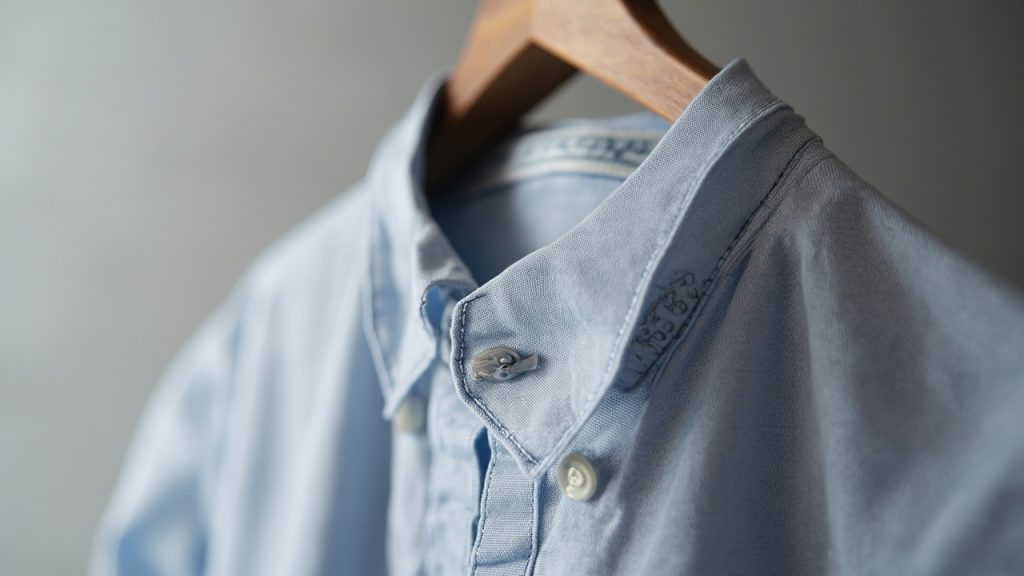
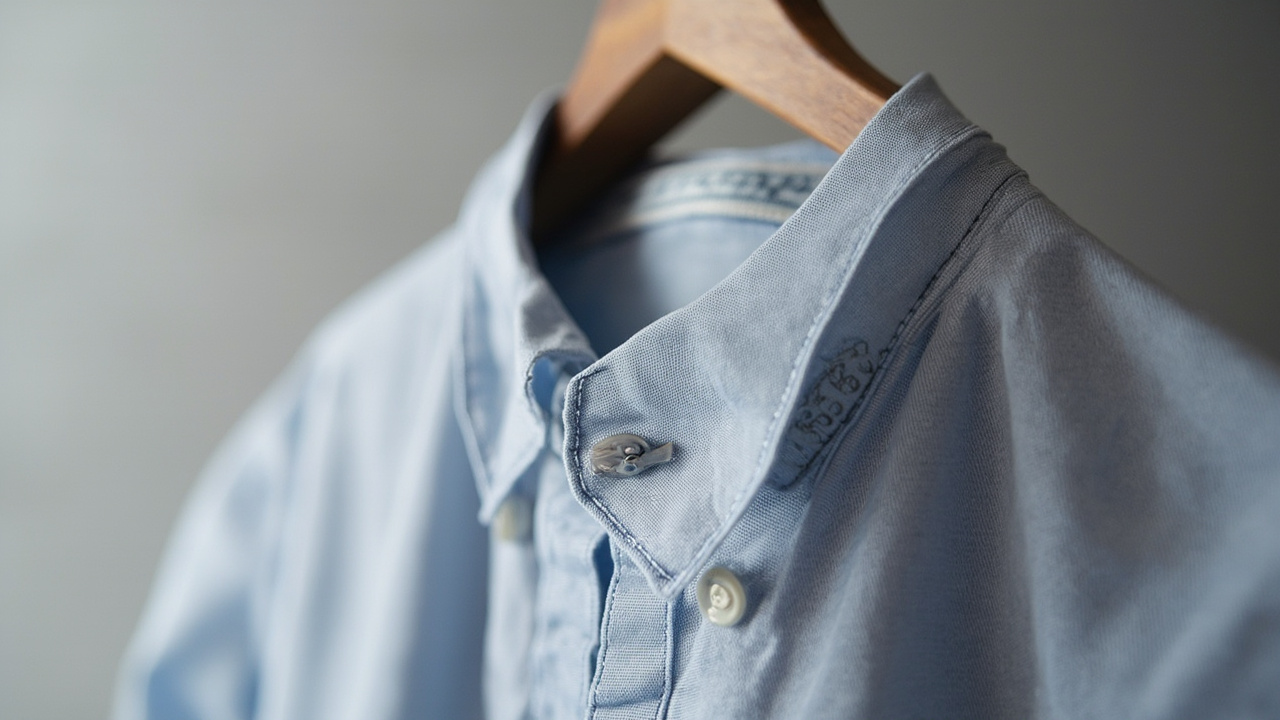
Stitch quality is the easiest thing to check and the most common reason a finished garment gets rejected. Look at the stitches per inch (SPI) — 10–12 SPI is typical for main seams, 8–10 for topstitch on woven outerwear, 14+ for elastic application on swimwear. Confirm seam type (4-thread overlock for stretch, 5-thread safety stitch for high-stress seams, lockstitch for crisp topstitch). Inspect buttonholes, bartacks at pocket corners, and the symmetry of collar points. These are the QC checks our line-walkers run on every bundle.
5. Trims and Hardware
Buttons, zippers, snaps, hooks, sliders, drawstring tips, toggles, metal rings — every hardware item on the BOM should be sourced from an approved supplier with a documented specification (size, finish, tensile strength, color match against a Pantone or physical sample). Custom hardware usually adds 7–10 days to lead time and a tooling charge, so specify up-front. For swimwear, the choice between stainless steel and Zamac alloy rings matters for salt-water durability — a detail often missed in tech-packs.
6. Color Management
Always reference a Pantone TPX / TCX number (or a physical swatch from the buyer) when specifying color. We dye or print to a lab-dip against that reference, send a swatch for approval, and only proceed to bulk once the buyer signs off. The acceptable ΔE (delta-E) tolerance should be agreed in writing — typically ≤ 1.0 for solid colors and ≤ 2.0 for printed grounds. Without that number, color approval becomes subjective and disputes become hard to settle.
7. Size Run and Grading
Confirm the size run (e.g. XS–XXL, or 6 sizes for EU wholesale) and the grading rules — the increments between sizes, especially at the hip, waist, sleeve length and inseam. A common pitfall is grading proportionally off an arbitrary size block; the better approach is to anchor on a fit-approved sample (a “fit block”) and grade away from it. For private-label capsules targeting a specific demographic (e.g. women’s swimwear, ages 25–40), we recommend using a fit-tested block from a previous successful order rather than re-deriving one each season.
8. Print and Embroidery Artwork
For sublimation prints, the artwork file should be vector or 300 DPI raster, supplied in CMYK with named spot colors and a clearly marked repeat size. For embroidery, the file should include stitch type (satin / fill / running), stitch direction, thread color references, and the finished embroidery size on the garment (often 5–8 cm for a chest logo). We send a sew-out / print-proof on bulk fabric for approval before production begins — this is the cheapest place to catch a registration or color-shift problem.
9. Packaging Details
Packaging is part of the product, especially for retail-ready shipments. Specify: polybag type (clear OPP, individual vs. multi-pack), folding method (some buyers require a specific fold for shelf-ready presentation), hangtag position, size-strip on the polybag, and the master carton configuration (pieces per inner, inners per carton, carton dimensions, gross weight). Custom-printed polybags and hangtags typically carry a tooling fee and a 2-week lead time — order ahead of bulk.
10. Compliance and Labeling
Every market has its own labeling rules. For the EU, fiber composition and country-of-origin must appear on the garment; for the US, the FTC Care Labeling Rule dictates care symbol content and placement; for swimwear sold into California, Prop 65 warnings may be required on certain hardware finishes. Confirm with your factory which care symbols standard they work to (ISO 3758 / ASTM / Ginetex) and which side of the garment they’ll be sewn on.
11. Shipping Terms and Lead Time
Be explicit about the Incoterm — FOB Xiamen is our standard for export, EXW factory for buyers with their own logistics, CIF / DDP available on request. Lead time from deposit to ex-factory is typically 35–45 days for orders in the 2,000–10,000 piece range, but add 7–10 days for custom hardware or printed polybags. For urgent orders, sample-line capacity can be reserved up to four weeks in advance.
12. Communication Cadence
The single biggest predictor of a smooth custom order is the communication cadence: who approves what, by when, and through which channel. We send weekly progress photos during production, an inline QC report at the 30% and 70% marks, and a final photo-loading report once the container is sealed. Buyers who respond within 24 hours on sample approvals and lab-dip sign-offs routinely take 5–7 days off their total lead time.
Closing Note
If you are evaluating a custom apparel partner for the first time, walking through these twelve points before signing a PO will save you the most common round of disputes on tech-pack gaps, color drift, packaging mismatches and lead-time slips. Send your tech-pack or a brief to our sourcing team for a same-week response, sample plan, and indicative pricing.
Quanzhou Northern Garment Co., Ltd. — OEM/ODM custom apparel manufacturer based in Jinjiang, Fujian, China. Custom hardware, custom packaging, full private-label service. OEKO-TEX Standard 100 (year 8). Serving buyers in 20+ countries since 2013.