Bangladesh vs Vietnam vs China: 2026 Manufacturing Cost Comparison for Mid-Market Brands
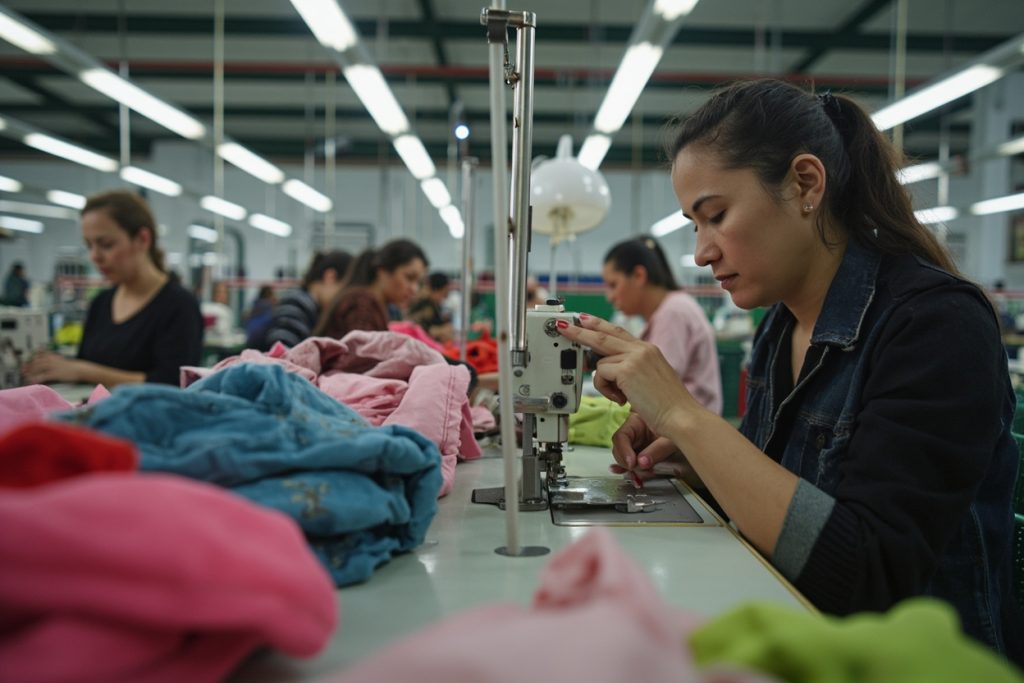
JINJIANG, China — Mid-market apparel brands sourcing across multiple Asian countries in 2026 face a more complicated cost comparison than at any time in the past decade. Labor cost convergence in Vietnam and Bangladesh, capacity additions in both countries, and continued cost discipline in China have narrowed the historical cost gap, while tariff exposure and lead-time considerations continue to favor different countries for different product categories.
The conventional wisdom that China is 30–40 percent more expensive than Bangladesh for labor-intensive apparel no longer holds. As of mid-2026, the all-in cost gap between China and Bangladesh for a comparable mid-market woven shirt is closer to 12–18 percent, and the gap is even narrower for knit products where China’s supply chain integration offsets its labor cost disadvantage.
Where Each Country Leads
China retains its cost leadership in:
- Complicated outerwear (puffer jackets, bonded shells, technical fleece)
- Heavy knits and sweater programs with high yarn complexity
- Complicated prints and embroideries requiring multi-process capacity
- Short-lead-time production (3–4 week fabric-to-finished-goods windows)
- Quality consistency at scale for premium mid-market and premium-private-label programs
Vietnam has gained share in:
- Basic knitwear (tees, fleece hoodies, activewear)
- Simple woven bottoms and denim
- Programs with US tariff exposure
- Brands prioritizing supply chain diversification away from China
Bangladesh remains competitive in:
- Basic knitwear at the lowest cost tier
- Large-volume basic woven bottoms (chinos, basic denim, basic shirts)
- Programs where lead time can be extended to 10–12 weeks
- Cotton-rich product categories
Cost Components Comparison
For a representative mid-market woven shirt in 2026:
- Direct labor: China $1.10–$1.40, Vietnam $0.85–$1.10, Bangladesh $0.65–$0.85
- Fabric: China $2.20–$2.80, Vietnam $2.30–$2.90, Bangladesh $2.40–$3.00
- Trims: China $0.40–$0.55, Vietnam $0.45–$0.60, Bangladesh $0.45–$0.60
- Overhead: China $0.85–$1.10, Vietnam $0.75–$0.95, Bangladesh $0.65–$0.85
- Total landed (FOB): China $4.55–$5.85, Vietnam $4.35–$5.55, Bangladesh $4.15–$5.30
The total landed cost gap is now narrower than at any point in the past decade. Labor cost differentials have narrowed most sharply: Bangladeshi factory wages have risen by approximately 8 percent annually over the past five years, while Chinese factory wages have stabilized at the higher end of the historical range.
Tariff and Trade Considerations
For US-bound apparel, the tariff landscape materially affects the cost comparison:
- China-origin to the US: Section 301 tariffs remain in place, with most apparel categories in the 7.5–15 percent tariff band
- Vietnam-origin to the US: duty-free under most-favored-nation rates for in-quota categories
- Bangladesh-origin to the US: duty-free under most-favored-nation rates for in-quota categories
For a US-bound woven shirt at $5 landed cost, the Section 301 differential alone is approximately $0.40–0.85 per shirt. This is a meaningful cost difference that has driven much of the mid-market diversification to Vietnam and Bangladesh over the past five years. For EU-bound apparel, all three origins face the same EU tariff regime (standard EU GSP rates), so the cost comparison is closer to a pure landed-cost comparison.
Lead Time Considerations
China retains a meaningful lead-time advantage for time-sensitive production:
- China fabric-to-finished-goods: 3–4 weeks for most knit and woven products
- Vietnam: 4–6 weeks
- Bangladesh: 6–10 weeks
For brands with seasonal programming or fast-replenishment models, the Chinese lead-time advantage remains a meaningful offset to some cost differential.
The Bottom Line for Q4 2026
The China-versus-rest-of-Asia cost gap is at its narrowest in a decade, but the relative competitiveness varies materially by product category. Complicated outerwear, technical knits, and short-lead-time production remain most cost-effective in China. Basic knitwear and woven bottoms at the lowest cost tier are increasingly competitive in Vietnam and Bangladesh, especially for US-bound product where Section 301 tariffs apply.
The most successful mid-market brands in 2026 are running multi-country sourcing strategies that match product category to country cost structure, rather than defaulting to a single sourcing destination. For Chinese garment exporters serving this market, the implication is clear: the Chinese factory’s competitive advantage is shifting from labor cost to supply chain integration, lead time, and complicated-product capability.